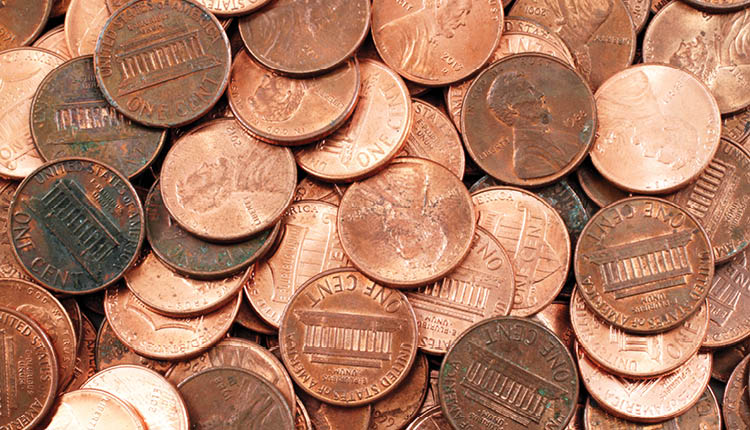
If you’ve fished around in your purse, car console, or change jar lately and thought, “Huh… I haven’t seen a penny in a while,” you’re not imagining it.
The United States is officially transitioning away from producing new pennies — but there’s no need for alarm. Here’s a simple breakdown of what’s happening and what it means for your everyday life.
Believe it or not, pennies have been costing more to make than they’re worth for years. Each penny cost about 3.69 cents to produce, thanks to rising metal and manufacturing costs. The U.S. Government estimates stopping penny production will save approximately $56 million every year. So, in late 2025, the U.S. Mint pressed the final batch of circulating pennies — marking the end of a 230‑year tradition.
Nope! Pennies are still legal money, and there are more than 100 billion of them already in existence. The government has no plans to recall them and the Federal Reserve is continuing to keep them in circulation. So, while new pennies aren't being made, the ones you already have are still perfectly spendable.
Since no new pennies are entering the system, some areas have felt a temporary shortage — especially in areas where people tend to stash pennies at home instead of spending or depositing them.
Banks and retailers continue to see slowdowns when the Federal Reserve temporarily pauses penny distribution at certain locations due to low inventory. First Interstate gets our coins from the Federal Reserve, so when their supply is limited, some of our branches can’t order pennies either. But things are balancing out. As people begin depositing or spending their saved pennies, more are returning to the system.
Not really. For cash purchases, some stores may start rounding totals to the nearest five cents — something many other countries already do. Here at First Interstate, if we do not have pennies available to provide exact change for your transaction, we will round the amount to the nearest five cents above the transaction amount. For example: If you are cashing a check for $55.27 and we do not have pennies available, we will provide you with $55.30.
Here’s a key part: digital payments aren’t affected at all. Prices can still go right down to the cent when you use a card, app, or tap-to-pay.
Your pennies still matter! You can:
- Spend them normally
- Feed them into coin machines
- Donate them to charity
- Bring them to your bank
If you’ve been saving a big jar of change for years, this is a great time to let those coins re‑enter circulation and help ease local shortages.
The end of penny production might feel like a big change, but day-to-day life won’t shift much for most people. Think of it as a natural step forward — saving money, simplifying transactions, and helping the economy streamline small denomination cash use. Pennies had an impressive 230-year run. Now they’ll just slowly fade out over time, one piggy bank at a time.