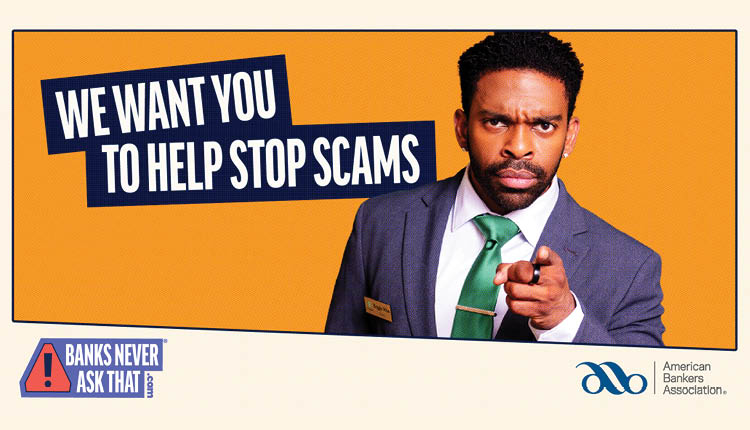
The holiday season brings joy — and an uptick in scams. From phishing emails to fake websites, criminals use this busy time to steal money and personal information. Here’s how to shop safely and protect your identity.
Phishing emails look like legitimate messages but aim to trick you into sharing sensitive information such as passwords or credit card numbers. During the holidays, scammers often mimic promotional offers, receipts, or customer service notices.
How to protect yourself:
- Slow down. Scammers create urgency with fake confirmations or “limited-time” deals. Verify unexpected messages through official channels.
- Don’t click suspicious links. Hover over links to check their destination. Avoid opening attachments or scanning QR codes from unknown sources.
- Check the sender. An email that looks familiar may still be fake. Review the full email address for accuracy.
Cybercriminals use spoofed websites, malicious ads, and injected code to steal payment details. These tactics — including e-skimming — can lead to fraud or identity theft.
To reduce your risk:
- Double-check URLs. Type the retailer’s web address directly into your browser.
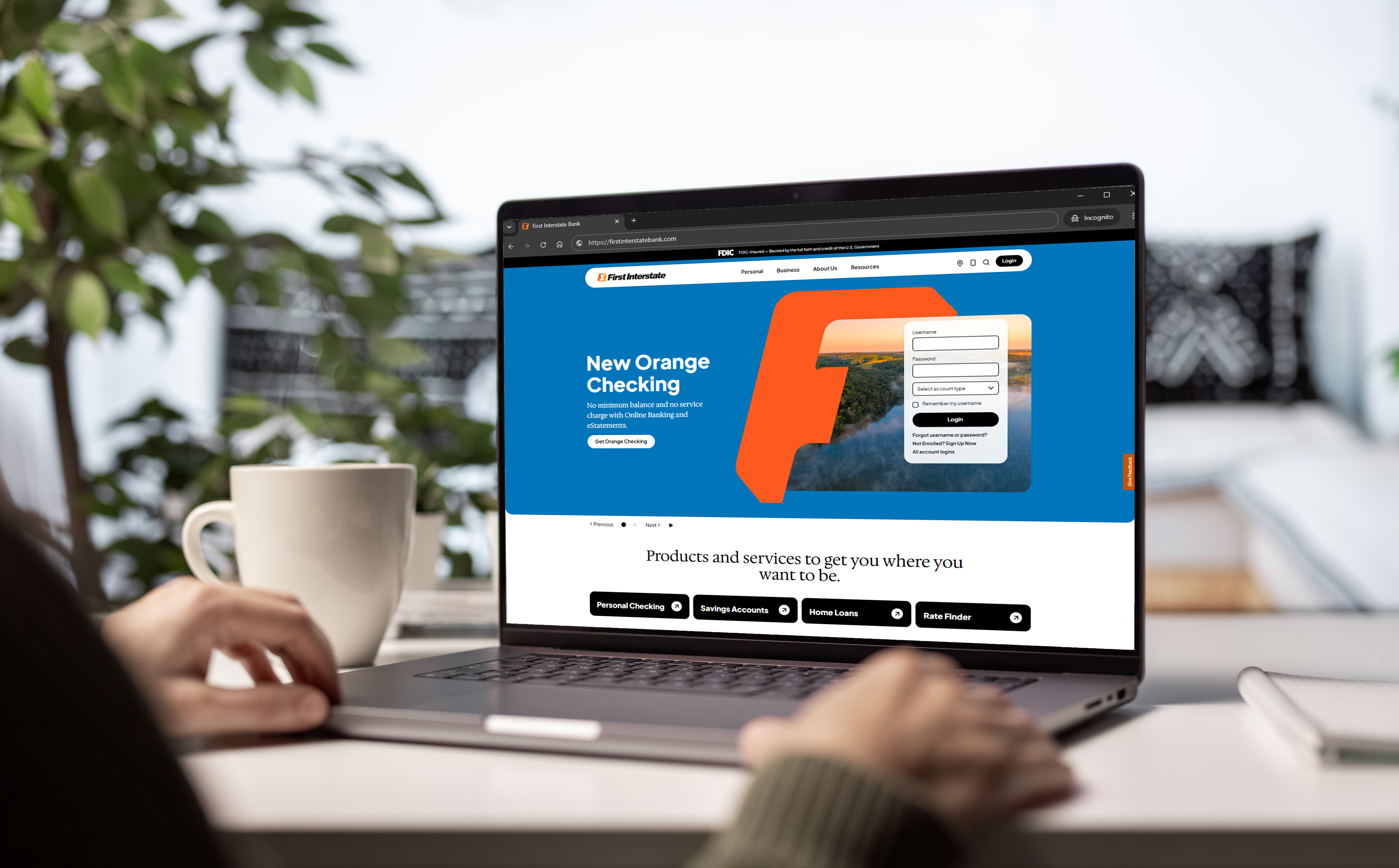
- Look for HTTPS. Secure sites start with “https” and display trust seals from SSL providers.
- Use official apps. Shop through verified retailer apps when possible.
- Choose safe payment methods. Credit cards offer stronger fraud protection than debit cards or money transfer apps.
- Monitor your accounts. Set up transaction alerts and review statements regularly.
Social platforms are full of holiday scams — from fake giveaways to pyramid schemes disguised as gift exchanges.
Tips from the Federal Trade Commission:
- Question requests for sensitive info. Legitimate contests won’t ask for your credit card number.
- Verify offers. Contact businesses through official phone numbers or websites before engaging.
- Report suspicious posts. Notify the platform and the business if you suspect a hacked account.
- Gift card scams: Never pay for purchases or services with gift cards — money sent is unrecoverable.
- Charity scams: Verify nonprofits through trusted sources like the IRS or Charity Navigator.
- Delivery scams: Beware of fake shipping notifications and texts. Track packages only through official carrier websites.
- Public Wi-Fi risks: Avoid entering payment details on unsecured networks. Use a VPN when possible.
- Fake job offers: Seasonal hiring scams can trick applicants into sharing personal or banking details. Apply only through official company websites.
- Buy Now, Pay Later pitfalls: These services can lead to overspending. Understand terms and fees before using them.
Strong passwords, multi-factor authentication (MFA), and regular software updates are essential for safe shopping. After the holidays, keep monitoring your accounts and credit reports for unauthorized activity.
First Interstate will never ask for personal financial details — such as account numbers, PINs, or credit card numbers — by email, text, or phone. If you suspect fraud, contact us immediately. Reset passwords and enable MFA where possible.